
Concrete sealing In Washington Utah
Concrete sealing Experts
Protect and enhance your concrete surfaces with our professional concrete sealing services. Ideal for driveways, patios, and walkways, our sealing process guards against stains, weathering, and wear, extending the life and beauty of your concrete investments.
What Is Concrete sealing?
Concrete sealing is a protective measure for concrete surfaces, involving the application of a sealant that forms a barrier against moisture, stains, chemicals, and environmental damage. This service is essential for both new and existing concrete installations, ranging from driveways and patios to floors and countertops. By penetrating the concrete or forming a protective layer on its surface, sealants prevent water absorption, repel stains, and reduce the risk of cracking, flaking, and other wear-and-tear effects. There are various types of concrete sealants available, including acrylic, epoxy, polyurethane, and penetrating sealers, each offering different levels of protection, durability, and finish.
Why Is Concrete sealing Important?
Concrete sealing is crucial for extending the lifespan and maintaining the aesthetic appeal of concrete surfaces. Unsealed concrete is porous, making it susceptible to moisture penetration, which can lead to freeze-thaw damage, cracking, and efflorescence. Moisture absorption can also encourage the growth of mold and mildew, posing health risks and degrading the concrete. Sealing concrete protects it from these issues, enhances its appearance by bringing out the color and texture, and can make it easier to clean and maintain. Moreover, in areas exposed to de-icing salts, chemicals, or heavy traffic, sealing provides an essential layer of protection against harsh conditions and wear.
When Should You Consider Concrete sealing?
Considering concrete sealing should be a priority for new concrete installations after the curing process, typically 28 days after pouring. For existing concrete, sealing is recommended when the previous sealant shows signs of wear or deterioration, such as fading, peeling, or decreased water repellency. Its also advisable to seal concrete before winter to prevent damage from freeze-thaw cycles and salt exposure. Regular inspections can help determine the need for resealing, but as a general rule, outdoor concrete should be resealed every 2 to 3 years, and indoor concrete every 5 to 10 years, depending on traffic, usage, and the type of sealant applied.
DISCOVER WHAT OUR CUSTOMERS HAVE TO SAY ABOUT US
REVIEWS
REVIEW US ON GOOGLE
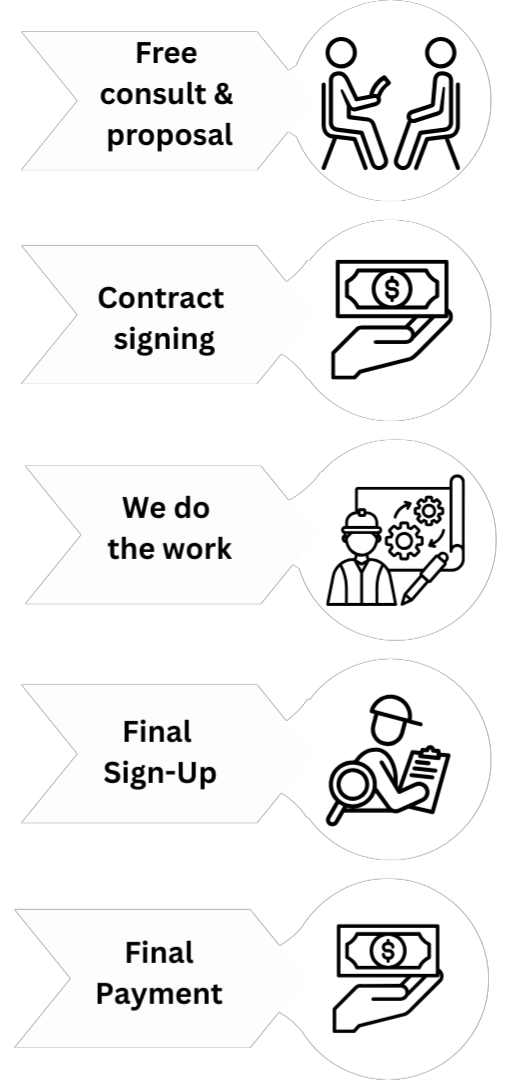
our process
Our process is simple and only contains a few simple steps
proudly serving these areas
Washington Utah
St. George Utah
Hurricane Utah
Mesquite Nevada
Cedar City Utah
READY TO take the next step?
get a free quote TODAY!

business
our services
service areas
operating HOURS
Mon: 8:00AM - 6:00PM
Tue: 8:00AM - 6:00PM
Wed: 8:00AM - 6:00PM
Thu: 8:00AM - 6:00PM
Fri: 8:00AM - 6:00PM
Sat: Closed
Sun: Closed